
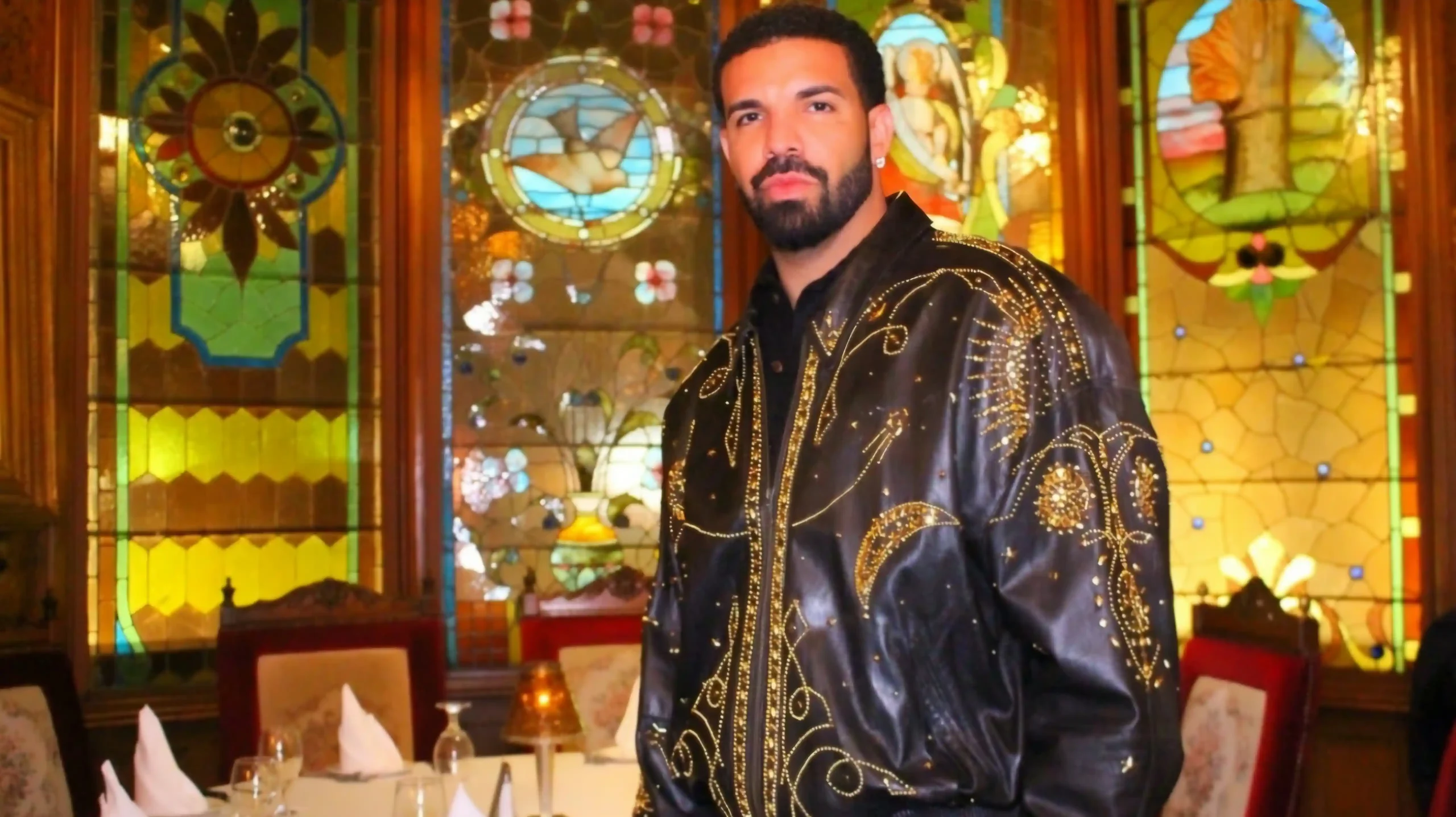

The Evolution of a Global Superstar
From Toronto Teen Actor to One of Music’s Biggest Names
Aubrey Drake Graham, professionally known simply as Drake, has become one of the most recognizable and commercially successful artists in modern music. His journey is unlike that of many hip-hop stars. Before becoming a global rap superstar, he was known to television audiences as Jimmy Brooks on the Canadian teen drama Degrassi: The Next Generation. From there, Drake gradually transformed himself from an aspiring musician releasing independent mixtapes into an international recording artist, songwriter, performer, entrepreneur, and cultural phenomenon.
What makes Drake’s career particularly remarkable is his ability to constantly reinvent himself. He has moved comfortably between hip-hop, R&B, pop, dance music, melodic rap, and more experimental sounds while maintaining a recognizable identity. His music has repeatedly dominated streaming platforms and charts, while his influence has expanded into fashion, sports, entertainment, business, and Toronto’s cultural identity.
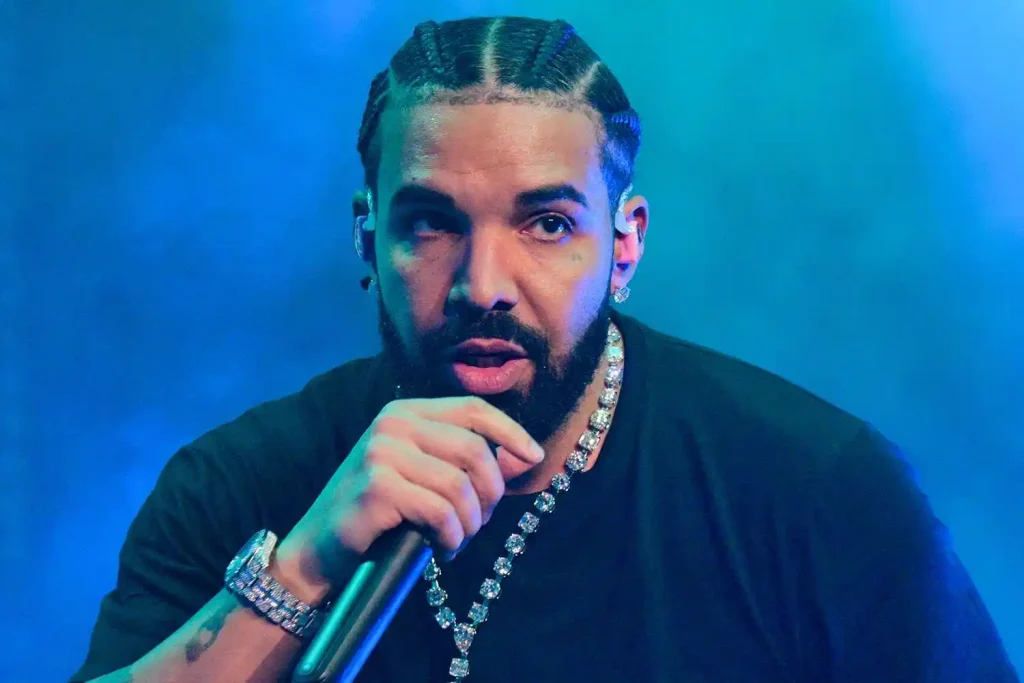
Drake’s rise was not overnight. It was built through years of writing, recording, performing, networking, and understanding what audiences wanted to hear. His career demonstrates how an artist can use music as the foundation for a much larger personal brand.
Born on October 24, 1986, in Toronto, Canada, Drake grew up surrounded by different musical and cultural influences. His father, Dennis Graham, was a drummer from Memphis, while his mother, Sandi Graham, raised him in Toronto. His family background exposed him to both American musical traditions and Toronto’s multicultural environment.
Before music became his primary career, Drake found success as an actor. His role on Degrassi gave him an early public profile and taught him lessons about entertainment, performance, and dealing with an audience. However, acting was never the final destination.
Music remained the ambition that eventually changed his life.
In the middle of the 2000s, Drake began releasing independent music. His first mixtape, Room for Improvement, arrived in 2006, followed by Comeback Season in 2007. These projects helped him build a growing underground audience and establish the introspective, melodic style that would later become his trademark.
Then came So Far Gone in 2009.
The mixtape became the turning point in Drake’s career. Songs such as “Best I Ever Had” demonstrated that he could combine rap, melody, emotional vulnerability, and mainstream songwriting in a way that felt different from many of his contemporaries. The project attracted enormous attention and eventually brought Drake into the orbit of Lil Wayne and Young Money Entertainment.
🔴 YOUTUBE VIDEO #1 — “GOD’S PLAN”
YouTube became another major part of Drake’s visual identity. Music videos such as “God’s Plan,” “Hotline Bling,” “Started From the Bottom,” and “In My Feelings” became cultural moments rather than simply promotional videos.
“God’s Plan” in particular became one of the most recognizable songs of Drake’s career. Its video focused heavily on generosity and community, giving audiences a different perspective on the superstar lifestyle usually associated with major hip-hop artists.
The song also demonstrated Drake’s ability to turn a music release into a broader cultural conversation.
The Breakthrough: Thank Me Later
In 2010, Drake released his debut studio album, Thank Me Later. The album debuted at No. 1 on the Billboard 200 and immediately established him as one of the most important new artists in hip-hop.
The album included collaborations with major names and demonstrated Drake’s ability to operate in both rap and R&B environments. Instead of presenting himself solely as a traditional rapper, he leaned into a hybrid style that allowed him to discuss relationships, ambition, insecurity, success, friendship, fame, and personal experiences.
This approach became one of the most important elements of his career.
Rather than separating rap and R&B into completely different identities, Drake made the combination part of his brand. He could deliver a hard rap verse and then move into a melodic chorus without making either side feel unnatural.
That flexibility became one of his greatest commercial advantages.
Take Care Changes Everything
If Thank Me Later introduced Drake as a superstar, Take Care established the sound and identity that would define the next stage of his career.
Released in 2011, Take Care featured collaborations with artists including Rihanna, Kendrick Lamar, and The Weeknd. The album embraced atmospheric production, emotional songwriting, moody R&B influences, and introspective storytelling.
The project won the Grammy Award for Best Rap Album and became one of the defining albums of the early 2010s.
Drake’s popularity continued growing because listeners could see different sides of themselves in his music. His songs frequently explored relationships, heartbreak, ambition, loneliness, friendship, fame, and the complicated emotions that can come with success.
That emotional accessibility became one of his strongest trademarks.
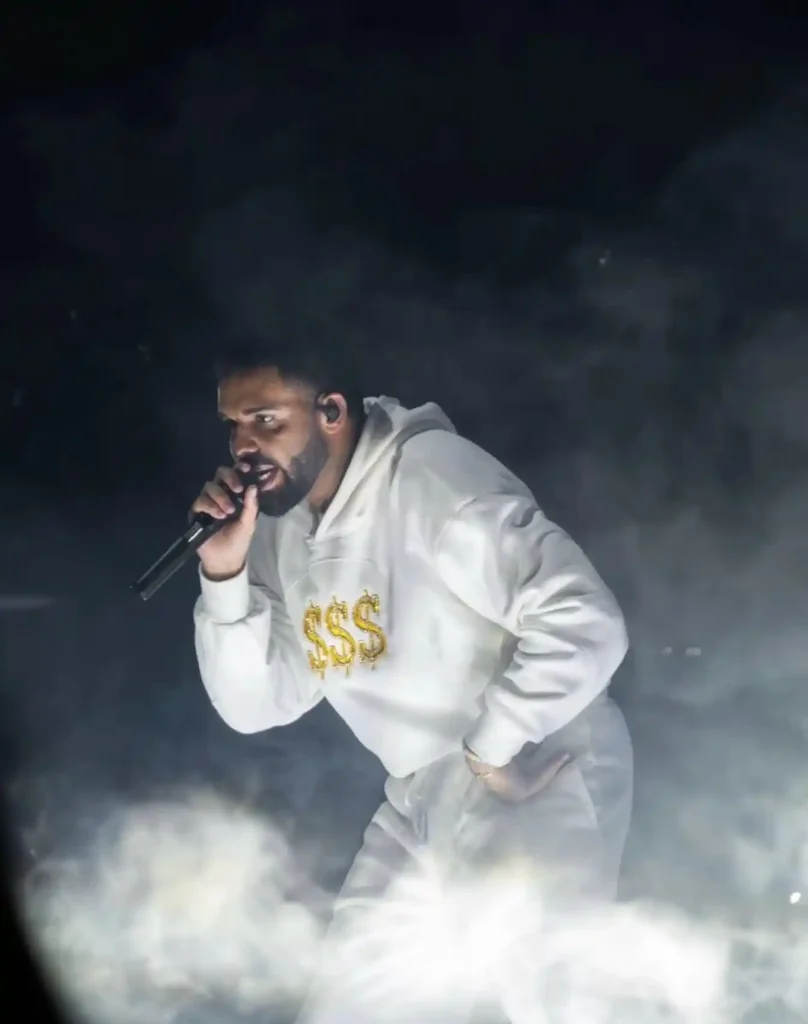
Nothing Was the Same and the Expansion of the Drake Brand
In 2013, Drake released Nothing Was the Same, another major milestone in his career.
The album contained songs such as “Started From the Bottom” and “Hold On, We’re Going Home,” showing once again that Drake could move between aggressive rap records and highly melodic pop-oriented songs.
The phrase “Started From the Bottom” became especially connected to Drake’s public image. It represented the story he wanted audiences to associate with him: someone who had worked his way from a relatively unconventional beginning into the highest levels of music.
But Drake’s career was no longer simply about albums.
He was developing a brand.
His Toronto identity became increasingly important. The OVO owl symbol, his October’s Very Own brand, his relationships with Toronto sports, and his involvement in local culture all helped establish him as an international star who remained deeply connected to his hometown.
If You’re Reading This It’s Too Late and Views
In 2015, Drake surprised fans with If You’re Reading This It’s Too Late. The project leaned heavily into darker production, aggressive flows, and a less polished mixtape-like energy.
It showed that Drake could still return to a harder rap style without abandoning his melodic identity.
Then came Views in 2016.
Views became one of Drake’s biggest commercial successes. The album featured “One Dance,” a song that became a worldwide hit and demonstrated Drake’s ability to incorporate global sounds into mainstream pop and hip-hop.
The project also reinforced Toronto as a major part of Drake’s artistic identity.
Songs, visuals, and promotional material repeatedly referenced the city, its weather, its neighborhoods, and its culture. Drake had become more than an artist who happened to come from Toronto. He was increasingly becoming one of the city’s most recognizable cultural representatives.
🟢 SPOTIFY — DRAKE
Spotify remains one of the most important platforms for Drake’s worldwide audience. His official artist page currently lists more than 91 million monthly listeners and includes ICEMAN, HABIBTI, MAID OF HONOUR, $ome $exy $ongs 4 U, and For All the Dogs among his releases.
More Life, Scorpion and a New Level of Global Fame
After Views, Drake continued experimenting with formats.
In 2017, he released More Life, describing the project as a “playlist” rather than a conventional studio album. The project reflected his interest in international sounds, dancehall, Afrobeats, grime, rap, and R&B.
This international approach became increasingly important to his career.
Drake understood that streaming had changed music. An artist no longer needed to depend entirely on traditional album cycles. Songs could travel instantly across countries and cultures, and Drake became particularly effective at creating music that could work in multiple markets.
In 2018, he released Scorpion, a massive double album that contained both rap-focused and melodic material.
The album produced major hits and became another enormous streaming success.
“In My Feelings” became especially famous after a viral internet challenge helped turn the song into a worldwide phenomenon. The moment illustrated something that had become increasingly important to Drake’s career: his music could move beyond traditional music promotion and become part of internet culture.
Drake had mastered the relationship between music, social media, memes, viral moments, and celebrity culture.
🔴 YOUTUBE VIDEO #2 — “LAUGH NOW CRY LATER”
” Laugh Now Cry Later” became another major Drake visual moment, showing his ability to combine music, celebrity appearances, sports culture, luxury imagery, and entertainment into a single promotional experience.
The video also reflected Drake’s continued ability to create visuals that generate discussion beyond the song itself.
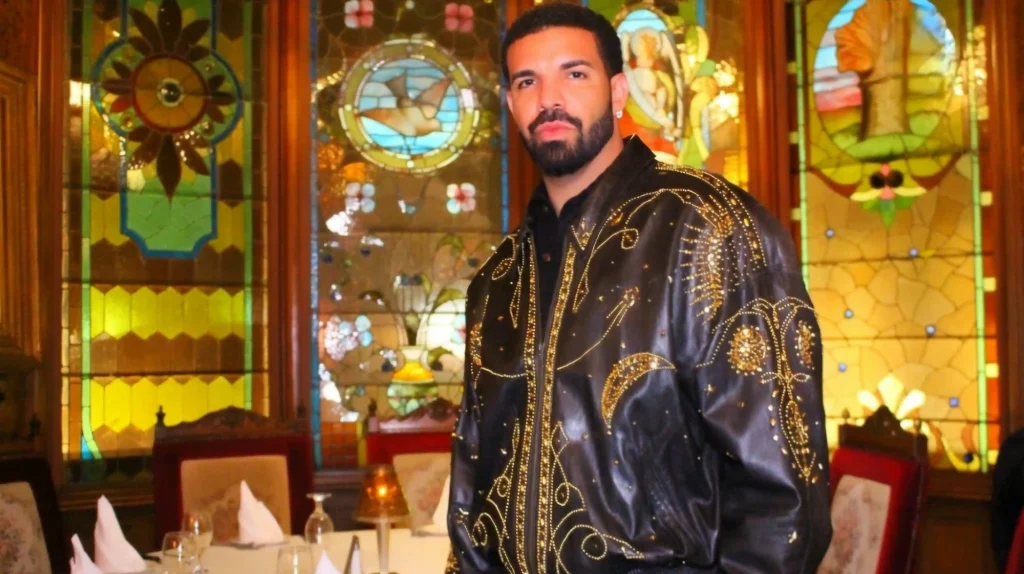
Certified Lover Boy and the Streaming Era
In 2021, Drake released Certified Lover Boy.
The project continued his combination of rap, R&B, pop, relationships, confidence, and personal reflection. It also demonstrated how strongly Drake’s music connected with streaming audiences.
By this point, Drake was no longer simply competing with other rappers for chart success.
He was competing with himself.
Every new release arrived with enormous expectations. Fans debated tracklists, collaborations, lyrics, chart positions, artwork, streaming numbers, and potential singles long before the music even appeared.
That level of anticipation is extremely rare.
Drake’s ability to generate conversation before a release became part of his marketing strategy. His name itself could become news.
Honestly, Nevermind: Drake Changes Direction Again
In 2022, Drake surprised audiences with Honestly, Nevermind.
Rather than delivering another conventional rap project, he explored dance music and house-inspired sounds.
The decision divided some listeners, but it demonstrated one of Drake’s most important characteristics: he was willing to experiment.
Artists at the top of the industry often face pressure to repeat whatever previously worked. Drake repeatedly took the opposite approach.
He changed his sound.
He changed his presentation.
He changed his collaborators.
And he frequently changed audience expectations.
That willingness to experiment has helped him maintain relevance across different musical eras.
🔵 SOUNDCLOUD — OCTOBER’S VERY OWN
SoundCloud has also been connected to the wider OVO ecosystem, providing another place where Drake-related releases and OVO material can reach listeners.
For All the Dogs and Continued Evolution
In 2023, Drake released For All the Dogs, continuing his long-running relationship with rap, R&B, melodic songwriting, and contemporary hip-hop.
The project included collaborations with a wide range of artists and reflected Drake’s ability to work with both established stars and newer voices.
The release also arrived during a period when Drake was increasingly balancing music with his business interests and his broader role in popular culture.
By this stage, Drake’s career had already lasted well over a decade at the highest level.
Few artists manage to remain commercially dominant for that long.
The 100 GIGS Era
In 2024, Drake created another major conversation around his music by releasing a huge collection of material through the “100 GIGS” project.
Rather than functioning simply as a traditional album campaign, the release gave fans access to music and extensive behind-the-scenes material.
Among the material associated with the release were tracks including “It’s Up,” featuring Young Thug and 21 Savage, “Blue Green Red,” and “Housekeeping Knows,” featuring Latto.
The release demonstrated another side of Drake’s strategy: giving fans access to material surrounding the creative process rather than only presenting finished commercial products.
It also arrived during one of the most discussed periods of Drake’s career.
Drake and the Kendrick Lamar Feud
Drake’s career has included numerous rivalries and competitive moments, but his 2024 conflict with Kendrick Lamar became one of the biggest stories in modern hip-hop.
The conflict escalated through a series of diss records and responses involving multiple artists and references. Songs such as “Family Matters” and Kendrick Lamar’s “Not Like Us” became major cultural talking points.
The situation went beyond music.
Social media users debated lyrics, hidden references, production choices, streaming numbers, chart results, and the history between the artists.
For Drake, the feud became another example of how his career exists at the intersection of music and internet culture.
Hip-hop battles have always been part of the genre, but social media has transformed the speed at which these conflicts develop.
A song can be released in the evening and become a worldwide conversation within minutes.
Drake has been one of the artists most capable of operating inside that environment.
$ome $exy $ongs 4 U
In 2025, Drake collaborated with PARTYNEXTDOOR on $ome $exy $ongs 4 U.
The project was another reminder of Drake’s long relationship with R&B and melodic music. PARTYNEXTDOOR has also been closely connected to the OVO Sound world, making the collaboration particularly natural.
The project continued Drake’s habit of moving between rap and R&B while maintaining the emotional themes that have characterized much of his catalog.
Instead of treating genre as a limitation, Drake has repeatedly used it as a creative tool.
🟣 X / TWITTER — @DRAKE
Drake’s official online hub currently links to his X account alongside his Instagram, YouTube, Spotify, and Apple Music accounts.
Drake’s 2026 Era: ICEMAN
One of the biggest new chapters in Drake’s story arrived in 2026.
Drake’s Spotify profile currently lists ICEMAN as his latest album, alongside the 2026 projects HABIBTI and MAID OF HONOUR.
The album represents another chapter in Drake’s constantly changing career.
The rollout itself became part of the story. Drake had teased the project for an extended period, and its release campaign included promotional elements designed to create mystery and anticipation.
The title ICEMAN became one of the recognizable symbols of this phase of Drake’s career.
But the bigger story is that Drake continues to release music and experiment with his presentation after nearly two decades in the industry.
That kind of longevity is extremely rare.
HABIBTI and MAID OF HONOUR
Drake’s 2026 catalog also includes HABIBTI and MAID OF HONOUR, both listed alongside ICEMAN on his current Spotify discography.
These releases add another dimension to Drake’s evolving catalog and demonstrate that his creative output continues to expand even after years of mainstream dominance.
For an artist who has already released multiple chart-topping albums, the ability to continue creating curiosity around new projects is itself a major achievement.
The modern Drake era is therefore not simply about looking back at his biggest hits.
It is also about watching how he continues to adapt.
OVO Sound: Building a Music Company
Drake’s influence extends far beyond his own recording career.
In 2012, he helped establish OVO Sound, a record label and creative platform connected to the October’s Very Own brand.
OVO Sound became associated with artists including PARTYNEXTDOOR and Majid Jordan while creating an identifiable musical aesthetic.
The label also helped strengthen Drake’s reputation as someone who could identify and develop talent.
This is an important part of Drake’s legacy.
Superstars often focus entirely on their own careers. Drake has also invested in building a wider artistic community around his brand.
The OVO owl became recognizable around the world, appearing on clothing, merchandise, music-related projects, and other forms of branding.
October’s Very Own and Fashion
October’s Very Own, commonly known as OVO, is not simply a music label.
It developed into a major lifestyle and fashion brand.
OVO’s clothing combines streetwear influences with luxury-inspired presentation, helping Drake establish a presence outside traditional music audiences.
The brand’s identity is strongly connected to Toronto and Drake’s personal aesthetic.
This is another example of how Drake understands branding.
The music creates attention.
The fashion extends the identity.
The city connection creates authenticity.
And the celebrity association creates global recognition.
Together, these elements form a business ecosystem much larger than a traditional recording career.
🟠 INSTAGRAM — @CHAMPAGNEPAPI
📸 FOLLOW:
Instagram has become one of the most important parts of Drake’s public-facing digital identity. His official online hub links directly to Instagram as one of his primary platforms.
Drake and the Toronto Raptors
Drake has also maintained a highly visible relationship with the Toronto Raptors.
He became the team’s global ambassador in 2013 and became a familiar presence around the franchise.
His courtside appearances, interactions with players, promotional involvement, and public support helped create a distinctive connection between the Raptors and Toronto’s entertainment culture.
Drake’s relationship with the team became part of his public identity.
The Raptors won their first NBA championship in 2019, creating one of the biggest sports celebrations in Toronto history.
Drake was closely associated with the team’s public image during that era, further strengthening his connection with the city.
Drake and Nike: NOCTA
Drake’s influence in fashion expanded further through his partnership with Nike.
NOCTA became a major collaborative brand built around performance-inspired apparel, footwear, and Drake’s distinctive aesthetic.
The partnership showed how musicians can expand into fashion without completely separating their music identity from their business identity.
NOCTA became another extension of Drake’s personal brand.
Instead of simply putting his name on a product, Drake helped create an entire visual language around the collaboration.
This strategy reflects the modern superstar model: music is only one part of the business.
Drake’s Real Estate and Lifestyle
Drake’s success has also been reflected in his real estate investments.
His Toronto home, commonly known as “The Embassy,” became one of the most recognizable celebrity residences in Canada.
The property has appeared in music-related visuals and media coverage and has become part of Drake’s public image.
His interest in architecture, design, automobiles, fashion, and luxury has frequently appeared alongside his music career.
However, these elements are not simply symbols of wealth.
They are also part of the storytelling surrounding Drake.
Luxury becomes part of the visual world of his music.
Toronto becomes part of the narrative.
His homes become part of the mythology.
His clothing becomes part of the brand.
And his businesses create additional ways for fans to interact with the Drake universe.
Drake’s Songwriting and Musical Identity
One of Drake’s biggest strengths is his songwriting.
His music often combines confidence with vulnerability.
He can rap about success while simultaneously questioning whether that success has made his life better.
He can write about relationships without completely abandoning his hip-hop identity.
He can create a club record and then follow it with a deeply personal song.
This emotional range is one reason his music has reached such a wide audience.
Drake’s ability to switch between perspectives also allows listeners to interpret his songs differently.
One person might hear a song as a breakup record.
Another might hear it as a song about ambition.
Someone else might connect with its themes of loneliness or personal growth.
That flexibility is powerful.
Drake’s Relationship With the Internet
Drake’s career has grown alongside the social-media era.
From viral memes to TikTok trends, Instagram posts, streaming debates, surprise releases, music videos, and online controversies, Drake has consistently existed at the center of internet culture.
His “Hotline Bling” video became one of the most recognizable meme sources of its era.
“In My Feelings” became associated with a viral challenge.
“God’s Plan” became connected to a major music-video concept focused on generosity.
The 2024 Kendrick Lamar feud dominated online discussion.
The 2026 ICEMAN era generated another wave of attention.
This ability to turn music into conversation is one of Drake’s greatest modern advantages.
Drake on Facebook and Other Platforms
Although Instagram, YouTube, X, and streaming services are particularly important to modern music promotion, Drake’s digital presence extends across multiple platforms.
For artists at the highest level, maintaining a consistent presence across platforms helps fans discover music in the environment they already use.
Drake’s career demonstrates how music promotion has evolved.
In the past, radio and television were the primary ways an artist could reach a mass audience.
Today, a song can reach listeners through YouTube, Spotify, social media, playlists, streaming recommendations, short-form videos, and fan communities.
Drake has successfully adapted to this new ecosystem.
🔵 APPLE MUSIC — DRAKE
🎵 LISTEN: Drake on Apple Music
🟦 TIDAL — DRAKE
🎧 LISTEN: Drake on TIDAL
TIDAL provides another platform for listeners to explore Drake’s extensive catalog.
🟡 AMAZON MUSIC — DRAKE
🎵 LISTEN: Drake on Amazon Music
Amazon Music also provides access to Drake’s music for listeners using the platform.
Drake’s Global Streaming Power
One of the clearest measurements of Drake’s influence is his enormous streaming audience.
His current Spotify artist profile lists more than 91 million monthly listeners and places him among the platform’s biggest global artists.
Streaming has fundamentally changed the way success is measured.
An artist no longer needs every listener to purchase an album.
Instead, listeners can discover an old song today and stream it repeatedly.
That benefits artists with deep catalogs.
Drake has one of the most extensive catalogs among modern superstars, giving new generations of listeners thousands of opportunities to discover his music.
A listener may first discover Drake through a current release and then move backward through For All the Dogs, Scorpion, Views, Take Care, Nothing Was the Same, or his earlier mixtapes.
That catalog depth creates a long-term advantage.
Drake’s Most Important Albums
Looking back at Drake’s career, several projects stand out as defining moments.
So Far Gone established his unique identity.
Thank Me Later introduced him as a major-label superstar.
Take Care established his signature atmospheric and emotional sound.
Nothing Was the Same strengthened his rap identity.
Views expanded his global reach.
More Life demonstrated his international musical interests.
Scorpion showed the scale of his streaming power.
Certified Lover Boy continued his dominance in the streaming era.
Honestly, Nevermind demonstrated his willingness to experiment.
For All the Dogs continued his modern rap and R&B evolution.
$ome $exy $ongs 4 U highlighted his R&B collaboration with PARTYNEXTDOOR.
And his 2026 catalog now includes ICEMAN, HABIBTI, and MAID OF HONOUR.
Listen to Drake Across Major Platforms
For fans who want to explore Drake’s catalog, his music is available across major streaming platforms.
🟢 SPOTIFY
🔴 YOUTUBE
Follow @champagnepapi on Instagram
🔵 X / TWITTER
🟠 APPLE MUSIC
Listen to Drake on Apple Music
🟦 TIDAL
🟡 AMAZON MUSIC
Listen to Drake on Amazon Music
🟪 SOUNDCLOUD
Explore October’s Very Own on SoundCloud
The Legacy of Drake
Drake’s story is ultimately a story about evolution.
He began as a young actor in Toronto.
He became an independent mixtape artist.
He attracted the attention of Lil Wayne.
He became a Young Money star.
He released No. 1 albums.
He became one of the biggest streaming artists in the world.
He created OVO Sound.
He developed OVO into a major lifestyle brand.
He became connected with the Toronto Raptors.
He launched NOCTA with Nike.
He experimented with different genres.
He survived intense public criticism and major musical rivalries.
And he continued releasing music while adapting to changing technology and audience behavior.
Few modern artists have maintained such a long period of cultural relevance.
Drake’s greatest achievement may not be a single album, single, award, or record.
It may be his ability to remain part of the conversation.
Every generation of listeners can discover a different Drake.
Some fans connect with the early mixtapes.
Others discovered him through Take Care.
Some remember the global success of “One Dance.”
Others associate him with “God’s Plan,” “In My Feelings,” or Scorpion.
A newer generation may discover him through For All the Dogs, $ome $exy $ongs 4 U, or his 2026 releases.
That is the strength of an artist with a deep catalog and an evolving identity.
More Than a Rapper
Drake’s career demonstrates that the modern music superstar is no longer defined only by music.
A successful artist can become a brand, entrepreneur, fashion figure, sports personality, cultural ambassador, and digital media personality.
Drake has embraced all of those roles.
His music remains the foundation, but the world around the music has become equally important.
OVO represents his creative and fashion identity.
NOCTA represents his relationship with sportswear and design.
His Toronto connections represent his hometown identity.
His collaborations represent his ability to connect different generations and genres.
His streaming presence represents his relationship with the modern digital audience.
His social-media presence represents the speed at which modern celebrity operates.
Together, these elements explain why Drake has remained one of the most recognizable names in entertainment.
The Future of Drake
After more than a decade at the top, the question is no longer whether Drake can become a superstar.
He already has.
The more interesting question is how he will continue to evolve.
The current ICEMAN era shows that Drake is still willing to experiment with how music is released, promoted, and presented. His current Spotify catalog also shows that ICEMAN sits alongside HABIBTI and MAID OF HONOUR as part of his 2026 output.
His future could include more albums, collaborations, fashion projects, OVO developments, live performances, business ventures, or entirely new creative directions.
What makes the future particularly interesting is that Drake has repeatedly shown that his next move is difficult to predict.
He has surprised listeners before.
He has changed genres before.
He has reinvented his image before.
And he has repeatedly turned unexpected decisions into major cultural moments.
Conclusion: Drake’s Unfinished Story
From the streets and neighborhoods of Toronto to international stages, Drake’s career represents one of the most remarkable transformations in modern entertainment.
He was not originally introduced to the world as a rapper.
He was an actor.
He then became a mixtape artist.
Then a recording artist.
Then a global superstar.
Then an entrepreneur and brand builder.
Today, he operates on a level where music, fashion, sports, social media, business, and culture all intersect.
His success has been driven by talent, but talent alone does not explain his longevity.
Drake has demonstrated an extraordinary understanding of timing, collaboration, branding, audience psychology, digital culture, and reinvention.
His career has survived changes in musical trends, streaming technology, social-media platforms, industry expectations, and cultural conversations.
That is why his story continues to develop.
Drake is no longer simply the Canadian artist who wanted to become a rapper.
He is one of the defining musical figures of his generation.
And with new music continuing to arrive, the story of Drake is still being written.
From Toronto to the world, from mixtapes to global streaming records, Drake’s evolution remains one of the most fascinating stories in modern music.